アプローチ講義概要(2026年度 冬学期 月5)
教室1
フェーズ1
The Psychology of Cooperation
Professor
SEVILLA-LIU Anton
-
講義に対応する専門領域
-
psychology,education
-
講義に関連するキーワード
-
prosocial,cooperation,behavioral science
-
講義概要
Social change, especially for sustainability, requires cooperation between individuals, institutions, and nations. However, as we experience in groupwork and in this very class, cooperation is difficult. Why is cooperation so challenging? In this class, we will learn about the behavioral science approach to cooperation called "ProSocial" (https://www.prosocial.world/). We will learn the core design principles that help groups cooperate (shared purpose, equitable contributions and benefits, fair decision-making, shaping cooperative behavior). We will use this to analyze actual groups we belong to. And we will ground this all in the psychology, evolutionary science, and social science theories on the very nature of cooperative behavior.
教室1
フェーズ2
Beat the summer heat: A sustainable approach
Associate Professor
SURCHOWDHURY VISHWAJIT
-
講義に対応する専門領域
-
Animal Science
-
講義に関連するキーワード
-
Heat stress, poultry, amino acids, discardable watermelon
-
講義概要
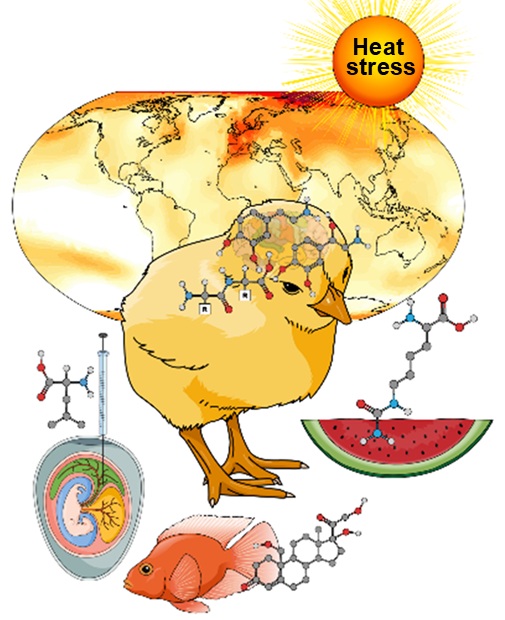
Climate change-induced summer heat is a growing challenge to all living organisms over the globe. We have found that some blood amino acid concentrations changed in chickens when they were exposed to heat. Subsequently, we have discovered that those amino acids and their natural sources in agricultural waste can afford survival in chickens under scorching summer heat. In this class, we will learn about heat stress and sustainable poultry production using amino acids and waste watermelon.
教室2
フェーズ1
How Things We Love Connect Us: Consideration, and Religiosity in Japanese Society
Professor
KINOSHITA Hiroko
-
講義に対応する専門領域
-
Anthropology of Religion, Area Studies
-
講義に関連するキーワード
-
Fandom and pilgrimage, Social manners and consideration, Religiosity in everyday life
-
講義概要
This lecture explores cultural practices and social values in contemporary Japanese society through two themes: fandom and social manners. The first session examines the religious dimensions of oshi-katsu (fan activities), fandom communities, and pilgrimages (seichi junrei). By considering why people form emotional attachments to particular figures, places, and communities, students will reflect on Japanese understandings of religion beyond formal religious institutions.
The second session focuses on interpersonal consideration, social expectations, and the concept of shame in Japan. Through everyday examples such as public manners, attitudes toward others’ opinions, and technologies designed to minimize embarrassment, students will explore how social behavior is shaped by concern for others and awareness of the public gaze. By analyzing these practices, the lecture encourages students to think about how cultural values contribute to social cohesion and coexistence in contemporary Japan.
Through discussion and comparison with students’ own cultural backgrounds, the course aims to deepen understanding of the ways people create connections, maintain social relationships, and navigate life in diverse societies.
教室2
フェーズ2
Climate Change, Resource Development, and Indigenous Food Security in the Arctic
Professor
IKUTA Hiroko
-
講義に対応する専門領域
-
Anthropology
-
講義に関連するキーワード
-
Climate Change, Indigenous Sovereignty, Sustainable Development
-
講義概要
This lecture examines how climate change and natural resource development are affecting food security and Indigenous sovereignty in the Arctic. M Thawing ice and disrupted wildlife patterns challenge traditional subsistence practices, while mining, oil, and gas projects bring both opportunities and environmental risks. We will discuss how people in the Arctic try to balance economic development, care for the environment, and continue their traditional ways of life. The Arctic shows how global changes affect both nature and human societies.
教室3
フェーズ1,2
Greenhouse Gases and CCUS: From CO₂ Capture to Carbon Recycling
Professor
MAEDA Nobutaka
-
講義に対応する専門領域
-
Environmental Engineering, Catalysis, Carbon-Neutral Energy Science
-
講義に関連するキーワード
-
Greenhouse gases, Carbon capture and storage, CO₂ utilisation
-
講義概要
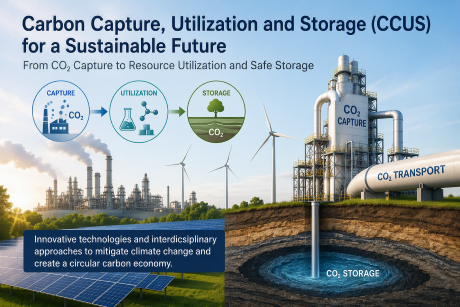
This two-week lecture introduces the science and technology of greenhouse gas mitigation, with a particular focus on carbon dioxide. Students will first learn why CO₂, CH₄, N₂O, and other trace gases are important in climate change, and how emissions arise from combustion and industrial processes. The lecture then explains the basic concepts of carbon capture, including post-combustion capture, direct air capture, liquid amine scrubbing, and solid adsorbent materials. In the second part, students will explore carbon capture, utilization, and storage technologies, including geological storage, mineral carbonation, biological conversion, thermocatalytic conversion, photocatalytic conversion, and electrocatalytic conversion of CO₂. Through chemical equations, process diagrams, and real industrial examples, the lecture encourages students to consider both the potential and the limitations of CCUS technologies for building a carbon-neutral society.
科目概要に戻る